Compare Local Contractors for Drainage Sloping Services
Compare local contractors for drainage sloping to define your project scope, verify experience, and set clear expectations in writing for a successful outcome.
Drainage sloping services typically involve adjusting the pitch or grade of a property's landscape to ensure proper water flow away from structures and foundations. This work often includes assessing existing terrain, removing or redistributing soil, and installing or modifying drainage channels, swales, or other features to promote effective runoff. Proper drainage sloping helps prevent water accumulation that can lead to foundation issues, erosion, or landscaping damage, making it a key component of property maintenance and long-term preservation.
Clearly defining the scope of drainage sloping work is essential for setting accurate expectations and ensuring the project addresses specific property needs. A detailed scope might specify areas to be graded, the type of drainage solutions to be implemented, and the desired grade or slope measurements. Having a written outline helps property owners communicate their objectives effectively to service providers and reduces the risk of misunderstandings or incomplete work, ultimately leading to a more satisfactory outcome.
Property owners seeking drainage sloping services can compare local contractors by evaluating their experience with similar projects, checking references or reviews, and verifying their familiarity with local terrain and drainage challenges. It’s important to review how each contractor plans to approach the work and to ensure that scope details are discussed and documented in writing. This process helps identify service providers who understand the specific requirements of the area and can deliver results aligned with the property’s drainage needs.
Compare local contractors by outlining project priorities, verifying experience, and establishing clear scope and expectations in writing.
- Compare Contractor Experience - Review the backgrounds of local contractors to ensure relevant expertise in drainage sloping.
- Define Project Scope Clearly - Outline specific requirements and expectations to facilitate accurate proposals.
- Verify Credentials and References - Check references and past work to assess the reliability of service providers.
- Document Agreement Details - Ensure all project specifications and responsibilities are confirmed in writing before work begins.
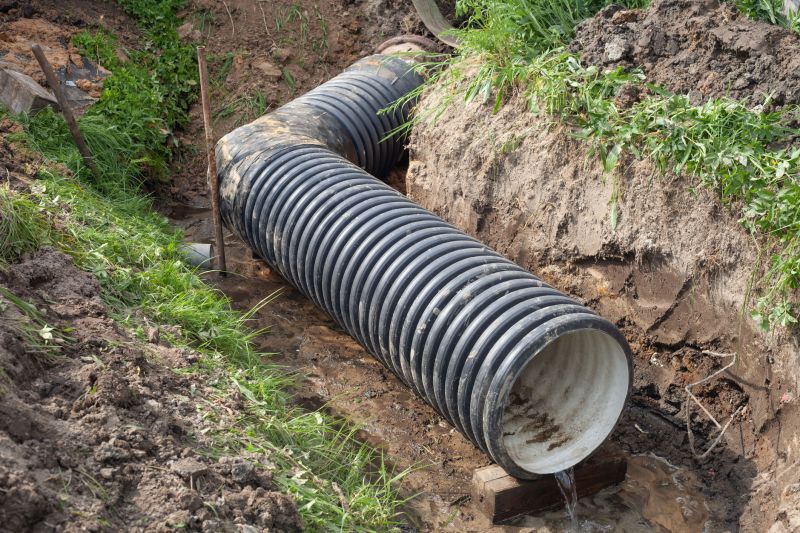
Clearly describe your drainage sloping project to help compare local contractors, define scope, verify experience, and set expectations in writing.
- Assess contractor experience with drainage sloping projects to ensure familiarity with site-specific challenges. - Verify that service providers understand proper slope gradients to facilitate effective water runoff.
- Compare how different local contractors plan to establish the correct slope to meet drainage standards. - Ensure scope of work clearly defines the slope measurement and installation process.
- Check references or reviews to confirm previous work quality related to drainage sloping installations. - Look for feedback on the durability and effectiveness of their drainage solutions.
- Request detailed written descriptions of the proposed slope design and materials used in the project scope. - Clarify expectations and ensure all aspects of the drainage slope are documented.
- Verify that contractors are prepared to handle site-specific factors such as soil type and existing landscape conditions. - Ensure they can adapt their approach to achieve optimal drainage performance.
- Discuss how the scope of work addresses grading, excavation, and backfilling to maintain proper slope over time. - Confirm that these elements are included to prevent future drainage issues.
Compare local contractors’ experience, define your scope clearly, and set expectations in writing.
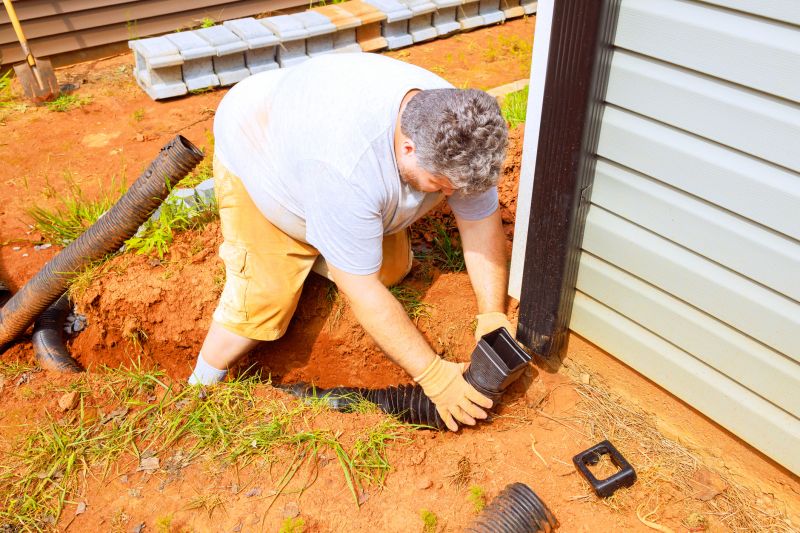
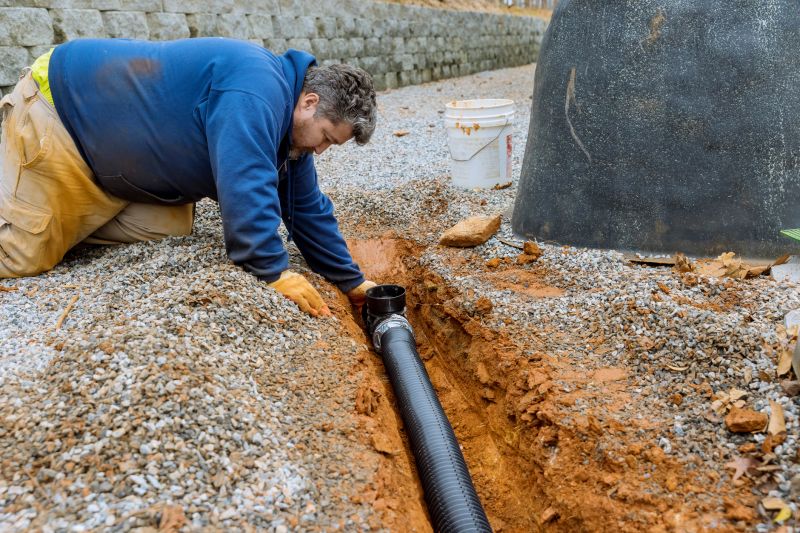
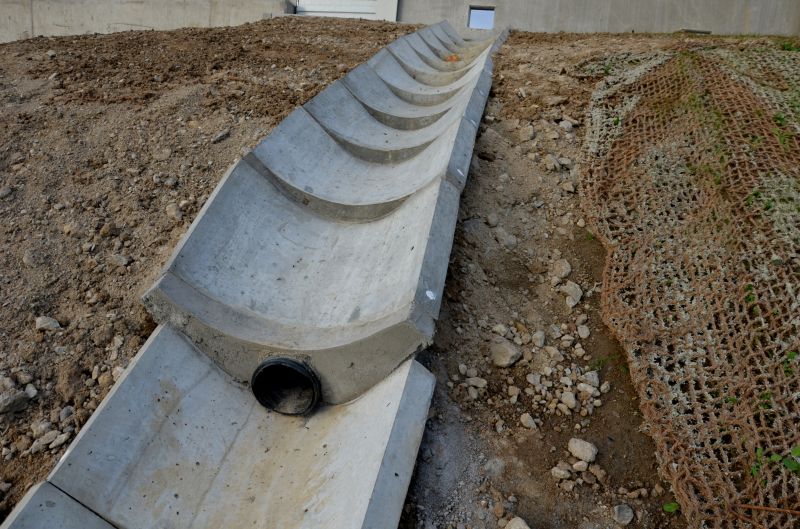
When comparing contractors for drainage sloping, ensure consistent scope definitions and verify their relevant experience to set clear expectations.
- Assess slope requirements - Determine the appropriate drainage slope based on the surface type and drainage needs.
- Define slope specifications - Specify the desired gradient or pitch to ensure effective water runoff.
- Verify contractor experience - Confirm that local contractors have relevant experience with drainage sloping projects.
- Establish scope details - Clearly outline the extent of work, including area coverage and slope measurements.
- Document expectations in writing - Ensure all scope details and specifications are documented in a formal agreement.
When comparing contractors for drainage sloping projects, it’s important to consider their experience with similar types of work. Homeowners should inquire about the scope of past projects that resemble their own, ensuring that the service providers have a history of handling drainage adjustments in residential settings. Contractors with relevant experience are more likely to understand the nuances of proper slope grading, soil conditions, and drainage solutions specific to different property types. By reviewing a contractor’s background in comparable projects, homeowners can gain confidence that the service provider is familiar with the challenges and best practices associated with drainage sloping.
A clear, written scope of work is a vital component when evaluating different service providers. Homeowners should seek detailed descriptions of what the project will entail, including specific tasks, materials, and expected outcomes. A well-defined scope helps prevent misunderstandings and ensures that both parties are aligned on the project’s objectives. When reviewing proposals or estimates, it’s beneficial to verify that the scope covers all aspects of drainage sloping, from site assessment and grading to final adjustments. Clear documentation of the work plan provides a foundation for effective communication and sets realistic expectations for the project.
Verification of a contractor’s basic credentials involves checking references, reviews, and the consistency of their project history. Homeowners are encouraged to ask for references from previous clients who had similar drainage sloping work completed. Contacting these references can provide insights into the contractor’s reliability, workmanship, and professionalism. Additionally, researching online reviews and ratings can help identify patterns of customer satisfaction or concern. While formal licensing or certification are not discussed here, gathering background information on a contractor’s reputation and track record can assist in making an informed decision.
Evaluating options without focusing on prices involves assessing the quality of proposals, the clarity of communication, and the professionalism of each service provider. Homeowners should compare how well each contractor understands the project scope, their proposed approach, and the level of detail provided in their documentation. It’s also helpful to consider the responsiveness of the contractor during initial contact and their willingness to answer questions thoroughly. By focusing on these qualitative factors, homeowners can select a drainage sloping contractor who demonstrates expertise, transparency, and a clear plan for completing the work to meet their property’s needs.
Request written scope details from local contractors to ensure clarity and consistency in drainage sloping projects.
- Experience with Drainage Sloping - How do contractors demonstrate their experience with drainage sloping projects similar to the scope?
- Scope of Work Clarification - What specific tasks and responsibilities are included in each contractor’s proposed scope for drainage sloping?
- Comparison of Methods - How do different service providers plan to approach drainage sloping, and what techniques will they use?
- Project Expectations in Writing - Are the details of the drainage sloping work clearly documented and agreed upon in a written scope?
- Verification of Past Work - Can contractors provide references or examples of previous drainage sloping projects similar to the required scope?
What should I consider when choosing a contractor for drainage sloping? It’s important to compare the experience and reputation of local service providers, review their scope of work, and ensure all project details are clearly defined in writing to set proper expectations.
How can I verify a contractor’s experience with drainage sloping projects? You can ask for references or examples of previous work, review any available project portfolios, and inquire about their familiarity with the specific requirements of drainage sloping tasks.
Why is it important to define the scope of work in writing? Having a detailed written scope helps clarify what services will be provided, prevents misunderstandings, and ensures all parties agree on the project’s parameters before work begins.
What questions should I ask a contractor before hiring for drainage sloping? Inquire about their experience with similar projects, how they plan to approach the job, and request details on the materials and methods they intend to use.
How can I compare different drainage sloping contractors effectively? Review their credentials, compare their scope of work, ask for references, and evaluate their communication clarity to find the best match for the project.
What is the benefit of getting everything in writing from a contractor? A written agreement helps ensure all project details, expectations, and responsibilities are clear, reducing the risk of disputes and misunderstandings during the work process.
Visitors now understand the importance of clearly defining the scope of drainage sloping projects, verifying the experience of local contractors, and establishing written expectations to ensure the work aligns with their needs. Comparing different service providers can help identify options that best suit the specific requirements of the project, making it easier to find a suitable match.
Using the quote form allows for straightforward comparison of local contractors, helping to connect with service providers capable of handling drainage sloping needs. Taking the time to gather information and clarify project details can support making informed decisions when choosing the right professional for the job.